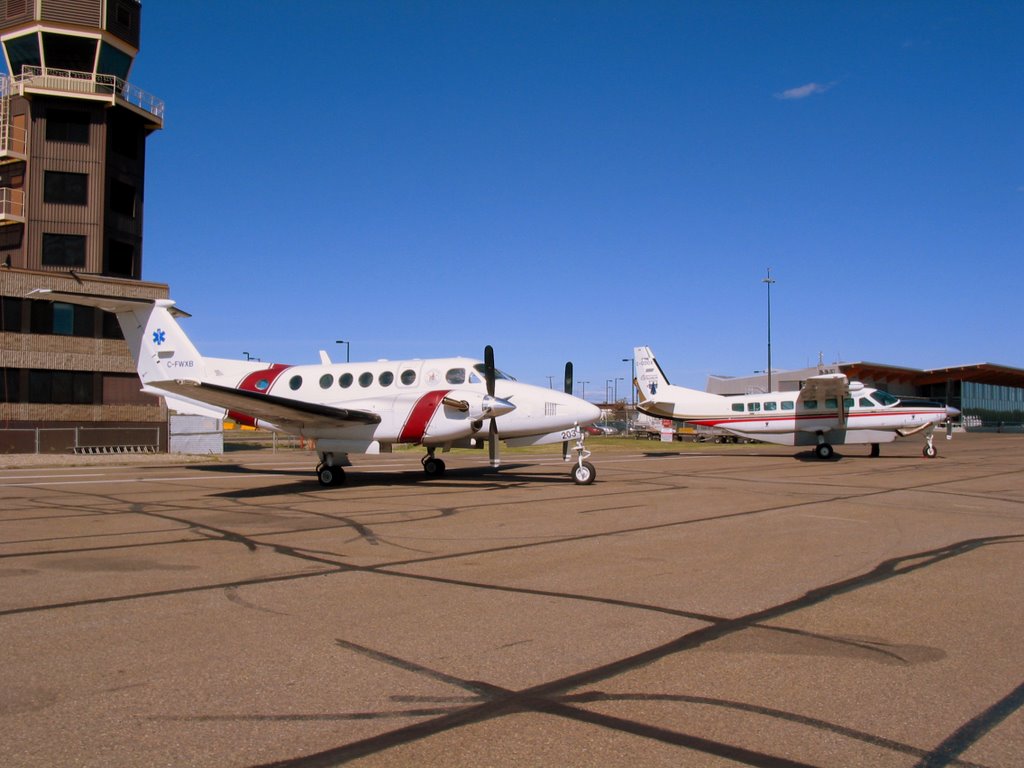
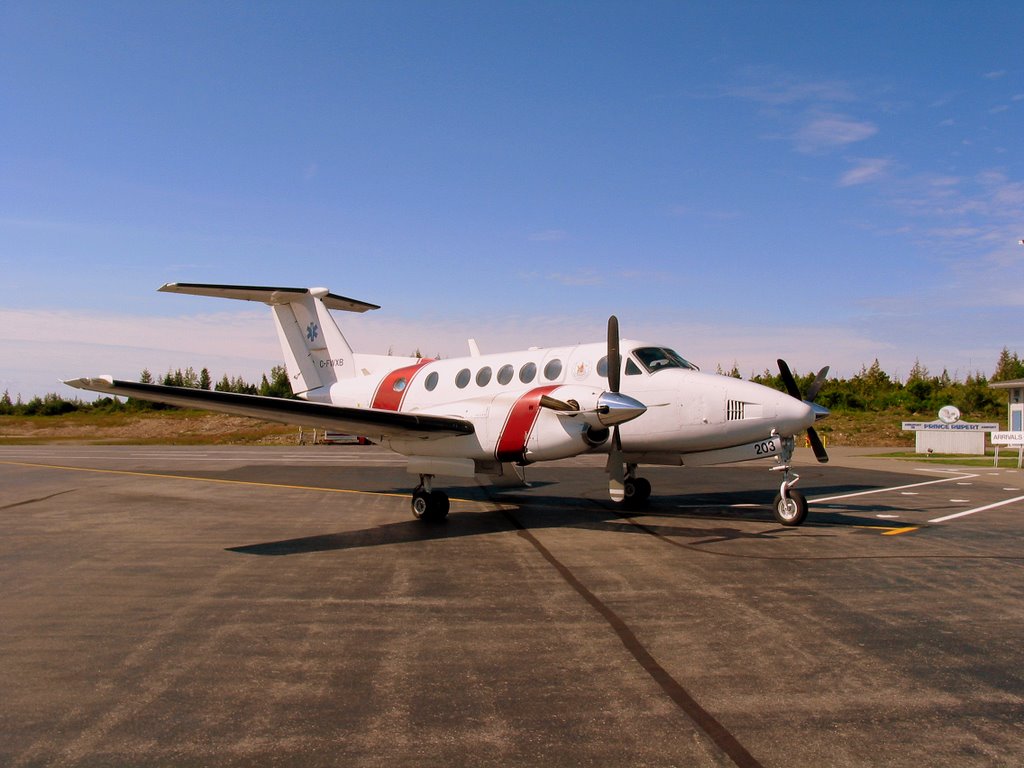
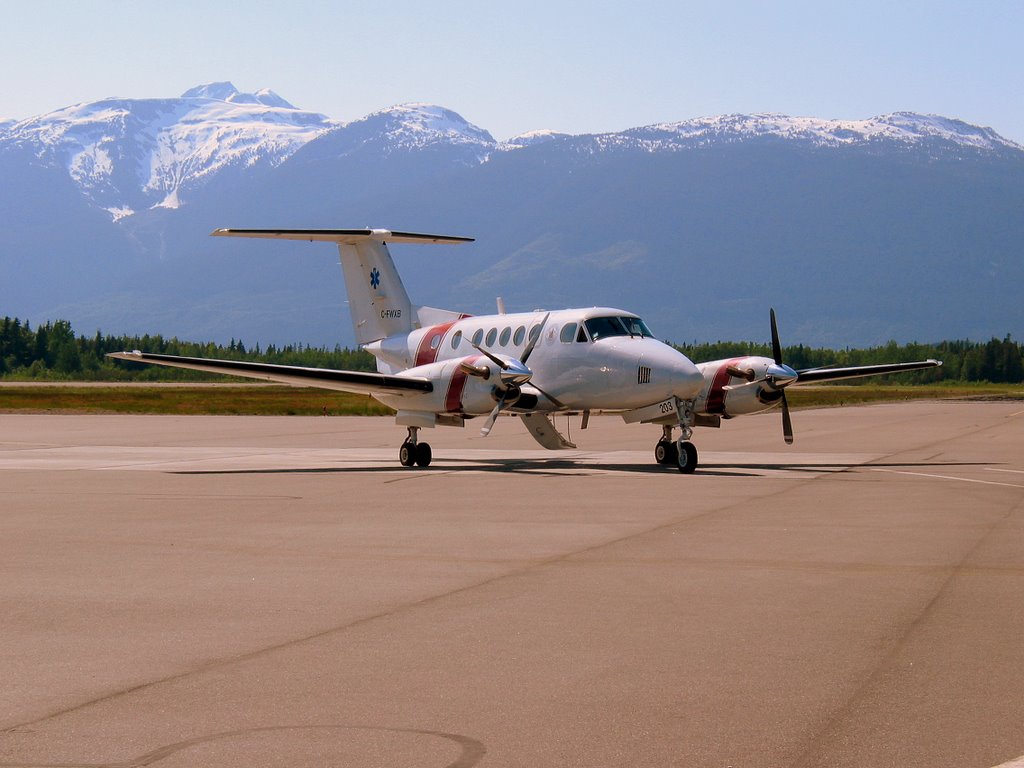
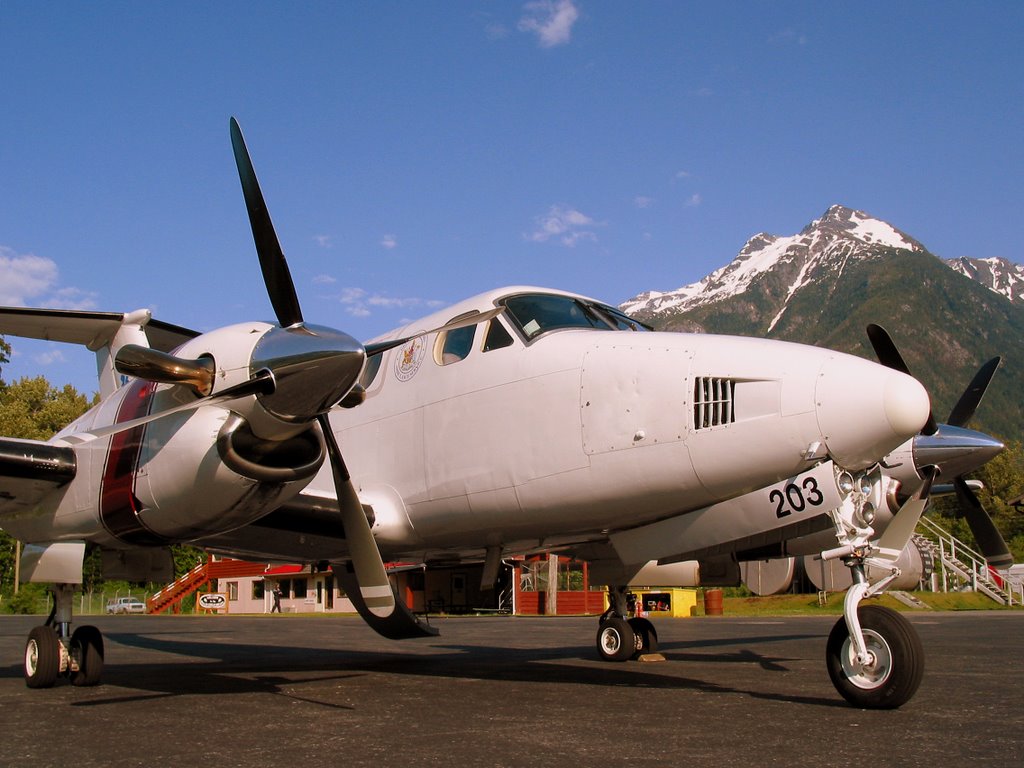
 Although flying is fundamentally just getting from point A to point B, the purpose behind the flying (or, how we're paying for the gas) can have an interesting impact on the flight and your day at the office. There are numerous types of flying you can do to pay the bills. So far, in the almost 2300 hours I've been behind the controls, I've done scheduled, charter, cargo, searches (flying a grid pattern looking for lost hikers), and a couple aerial tours (companies wanting to look at their operations out in the bush). I'm likely going to miss out on stuff like forest fire suppression, flight instructing, crop spraying, aerial photography (I'm talking, up @ 30,000' with a camera mounted on the belly of the plane flying grids), float flying, and who knows what else. Some of these things I wish I could try, such as flying floats and water bombing, and who knows, maybe I will. This past month though, I've been able to cross one mission type of my list. Being the son of a paramedic, I've often wondered what flying a designated medevac machine would be like. Now, I'm getting to find out. Last month I received a rating on the Beechcraft King Air 200. NT Air operates only one King Air 200, out of Prince George, C-FWXB, and it is rigged specifically for medevacs.
As emergency health care differs from province to province, the way medevacs is done differs as well. Certain provinces have their own medevac aircraft, some simply license other carriers. Some have a dispatch center, where others do not. Each province also has their own criteria regarding equipment on board the aircraft (such as TCAS, twin engine, etc), minimum crew (almost always two pilots), and pilot qualifications. In Manitoba, Skyward had a medevac branch called Skycare. It consisted of three Cessna Conquest II 441s, a Cessna 421c, and a King Air 100 based in Thompson, Island Lake, Cross Lake, and Norway House. Skycare provided nurses and dispatched themselves. Nursing stations would call the dispatch station in Thompson and the dispatcher would send out the most appropriate aircraft they had. However, Manitoba also had (and still has) Perimeter, Fast Air, and Missinippi doing medevacs, on top of the Provinces own service, Lifeflight. So the competition for medevac flights was pretty cut throat.
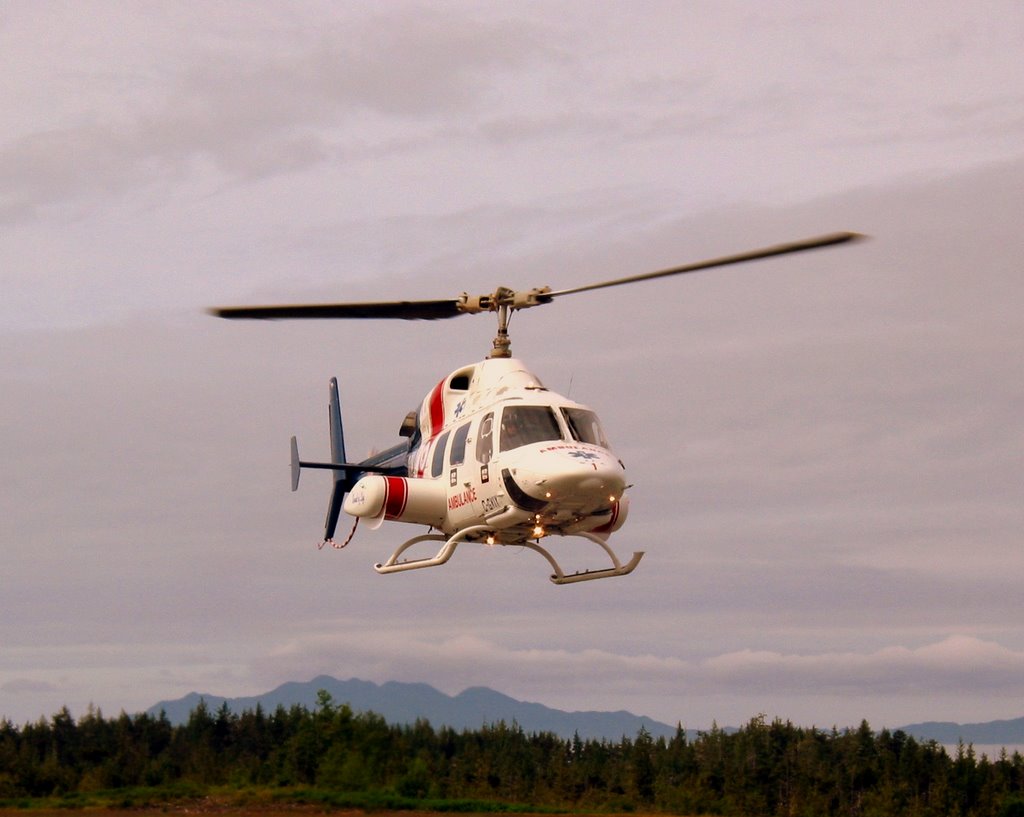
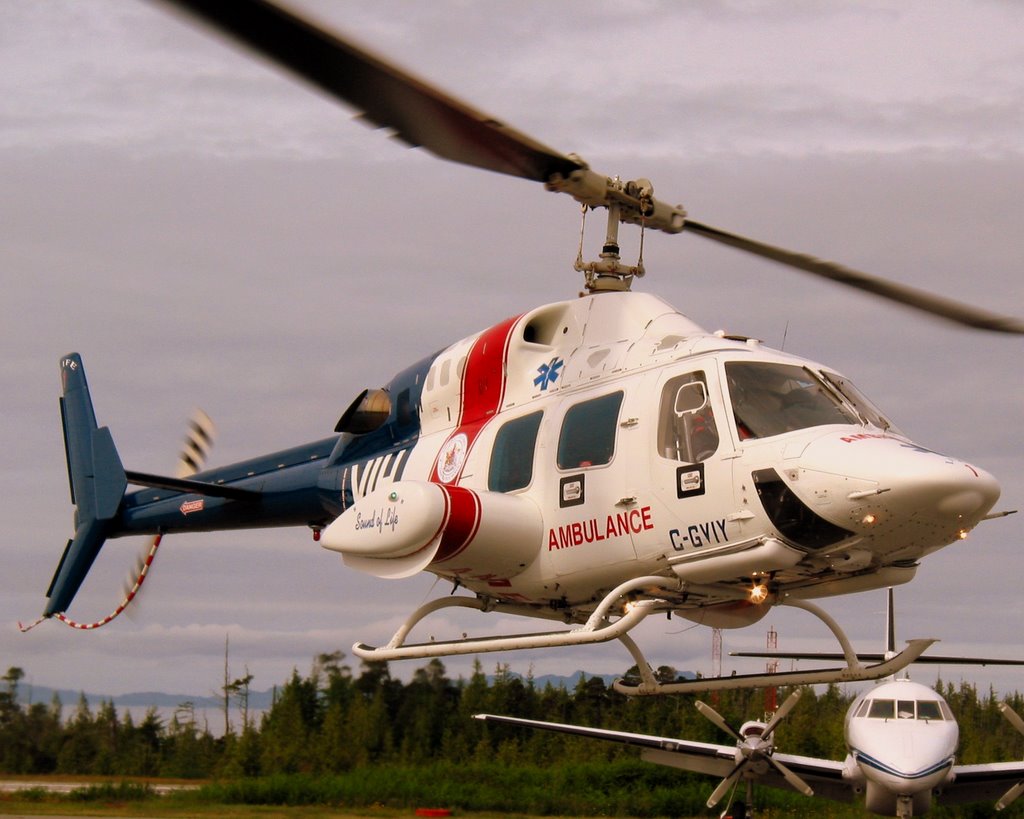
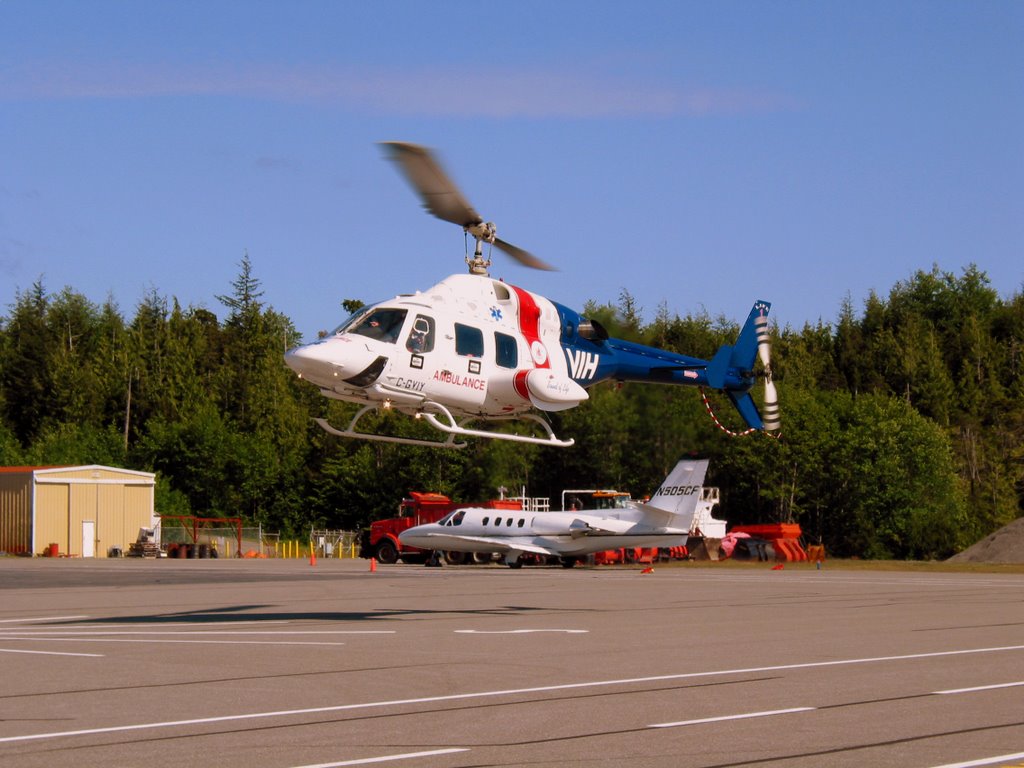
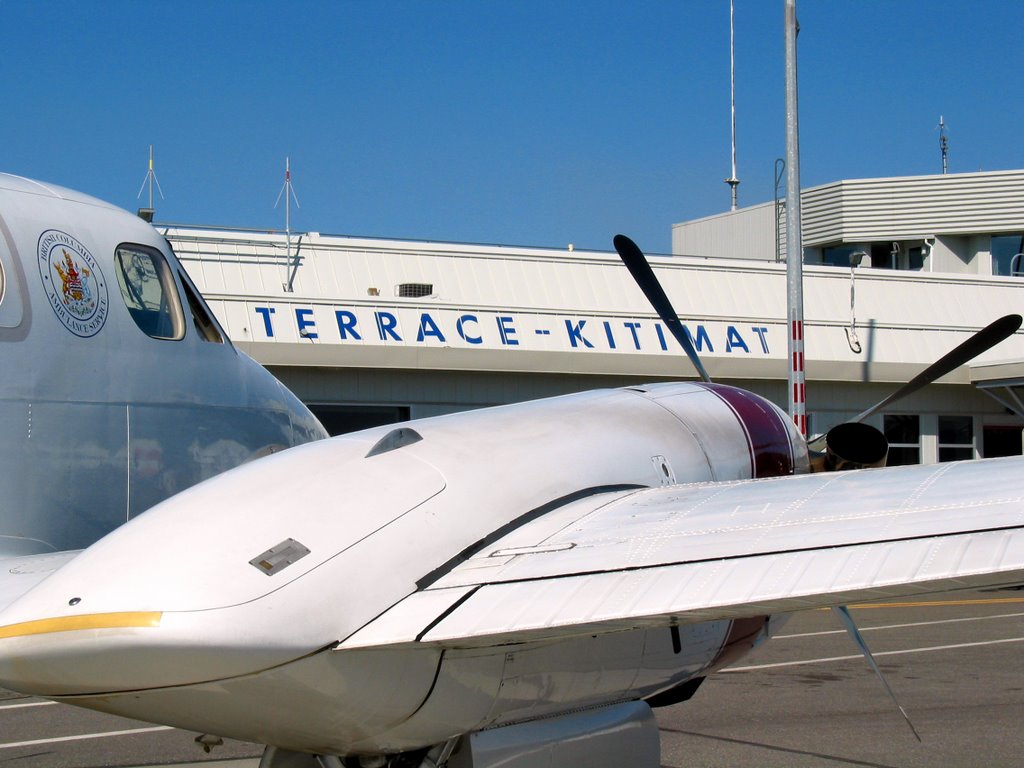
In British Columbia, the medevacs are regulated by the BC Ambulance Service. They decide where medevac planes will be based and tender contracts which companies bid on. They also dispatch the flights centrally from a dispatch center in Victoria and provide paramedics for the aircraft. Currently, Helijet has two King Air 200s based in Vancouver, Carson Air has a King Air 350 based in Kelowna, Canadian Global Air Ambulance (which also does international medevac work) has a Learjet 35 based in Vancouver, and NT Air has a King Air 200 based in Prince George. The province wide system also includes three helicopters. Helijet has two Sikorsky S-76s based in Vancouver, and Vancouver Island Helicopters has a Bell 222 "The Sound of Life" (which looks like it could've been Airwolf) based in Prince Rupert.
As a pilot, flying medevacs is interesting work. My day starts at the hanger in Prince George at 0800. The captain and I get the aircraft ready and phone the provincial dispatch to see what they have in store for us. Usually, we never know where we are headed next until the current flight we are on is finished. There are times, though it has yet to happen to me, where we are re-routed in flight and head off on a new assignment. All this adds a little excitement to the day as it makes the flight planning more interesting. Also, we service the entire province and regularly head off into Alberta, so we might see many different airports within a few days. If the paramedics or the dispatchers feel that time is of the essence, we get to attach the phrase "Medevac" to our callsign. Air traffic control, though they treat me pretty good on any given day, treats medevac flights great. Our ATC assigned routings are almost always as direct as possible and, coming into Vancouver, we are always given great priority handling resulting in a landing on the South runway, 26L/08R, for a short taxi to the apron and the awaiting ambulance.
In the month of June about half my flying is on the King Air doing medevacs. The other half still has me behind the right seat of the 1900, flying to Kemess (which just made the CFS), and driving the Caravan. All in all, I would have to say my flying is pretty rounded out. One day I find myself surrounded by mountain peaks guiding the Caravan to a gravel strip, the next I'm bombing down the Keinn 5 arrival into YVR at 270 knots. In May, I added 112 hours to my logbook. So far in June, I'm up to 81 hours with six days left to fly. To top it off, the battery for my camera I ordered on Ebay came and is working like a hot damn. What a great start to the summer.....
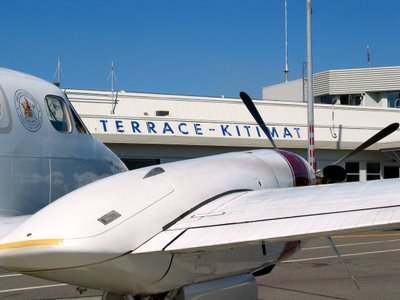
 As we expected, we arrived in Bella Bella on Monday morning without any troubles. Weather we picked up from Pacific Radio enroute was calling the ceiling 900' AGL, so we broke out the RNAV rwy 13 approach, expecting to have to break through the cloud at some point. On the descent we noticed that the cloud deck was broken up much more then we expected and didn't extend very much past the airport. As we flew down the Spiller channel, we elected to do a vfr approach, down the channel, under the cloud, across the Seaforth channel and onto Campbell Island. It worked out great. Twenty minutes later on departure, there were many holes to climb up through as we pointed the King Air Southeast for sunny, clear Vancouver.


 The Caravan parked at Minnerette strip. A logging camp up the Sustut river Northwest of Takla Lake. Apprarently the steelhead fishing hear is awesome. I can tell you the view is pretty amazing.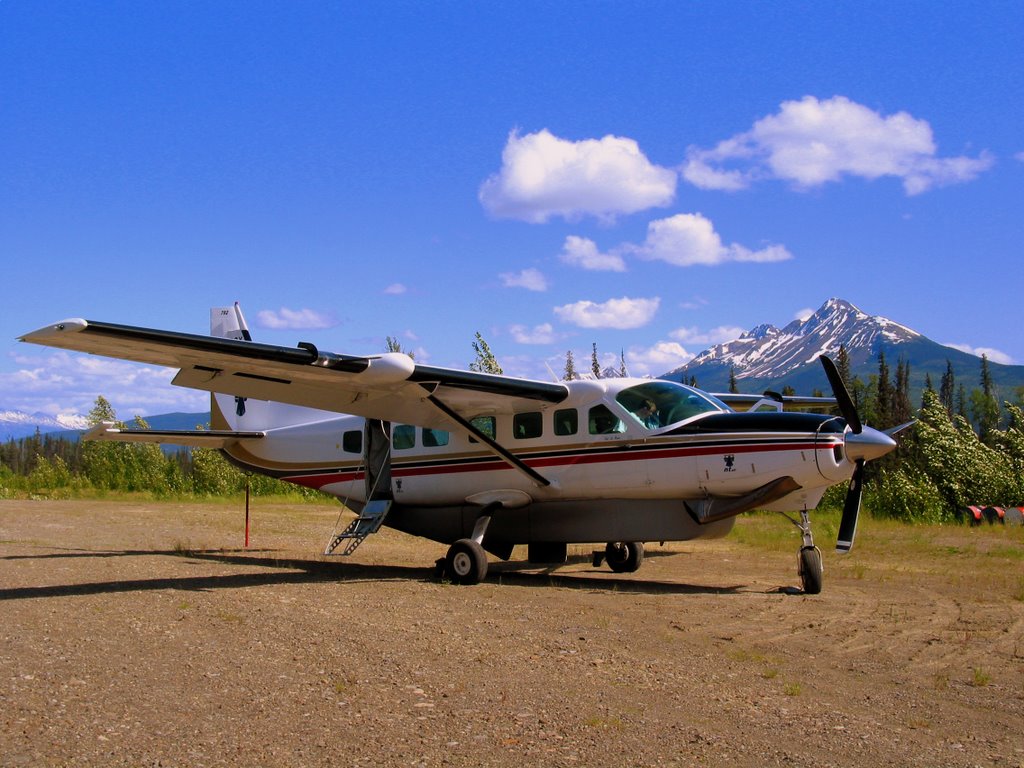
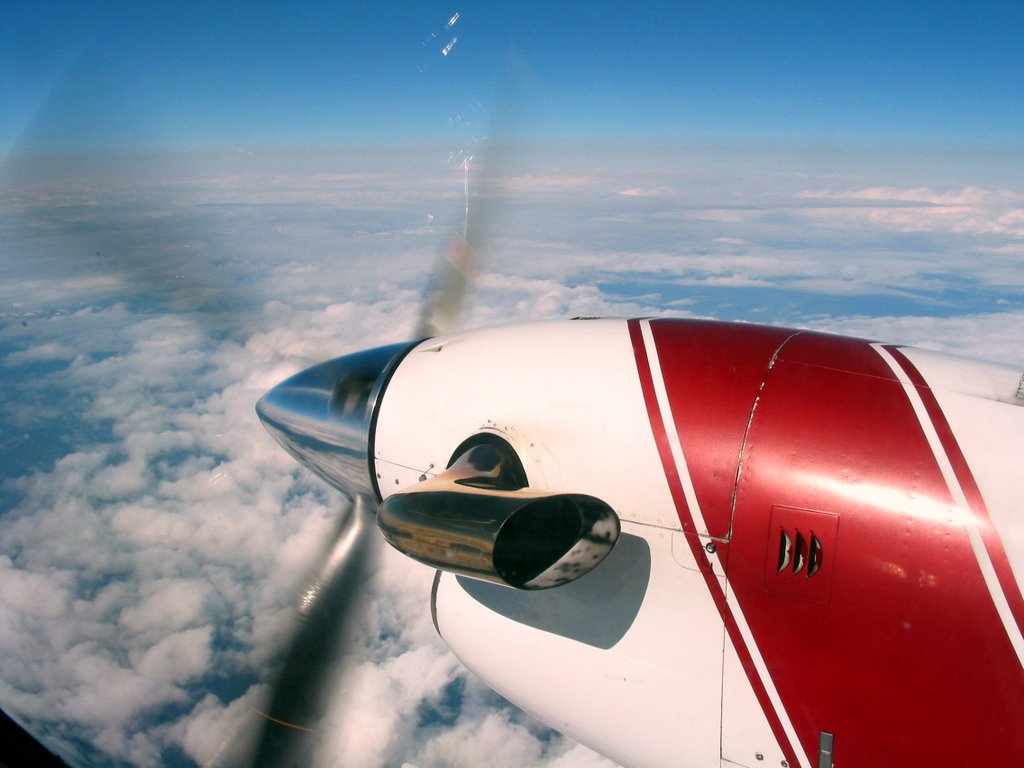
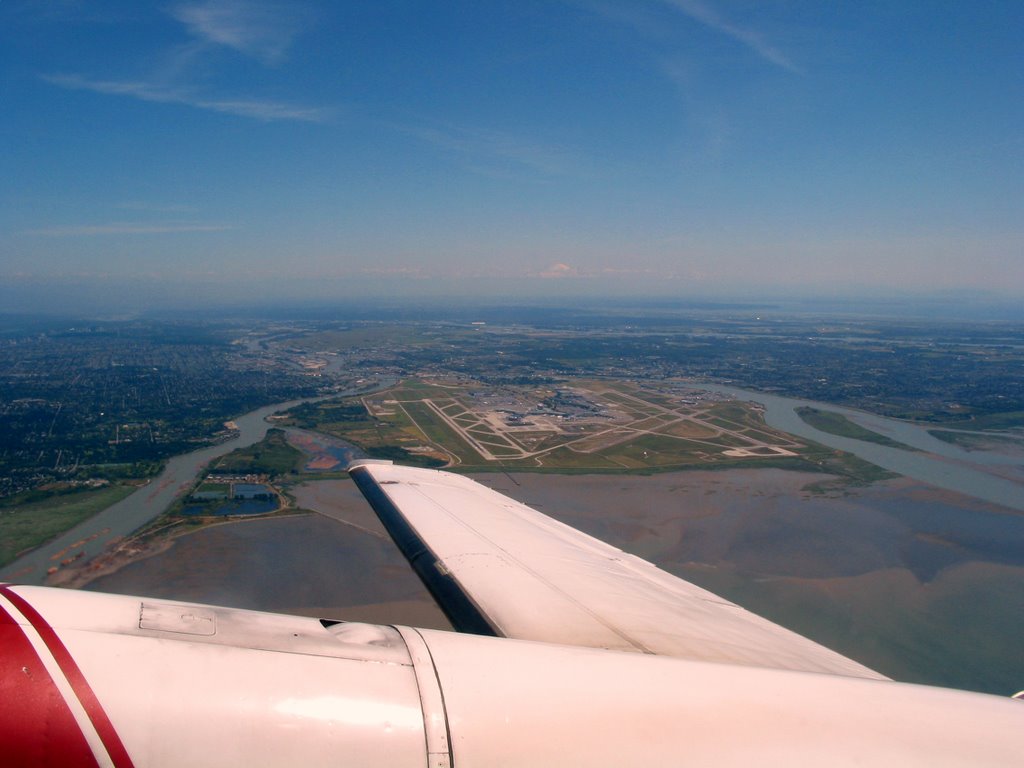 On the departure from YVR. Off runway 26 Left, on assigned heading 350, after the Vancouver 3 departure. Enroute to Prince George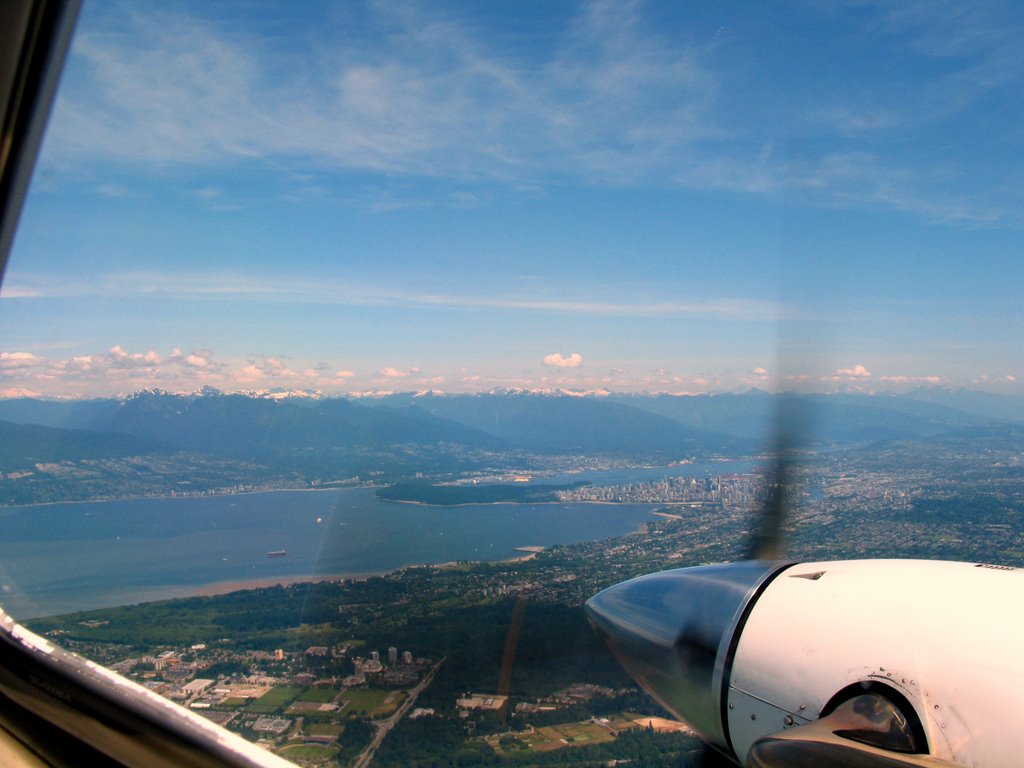
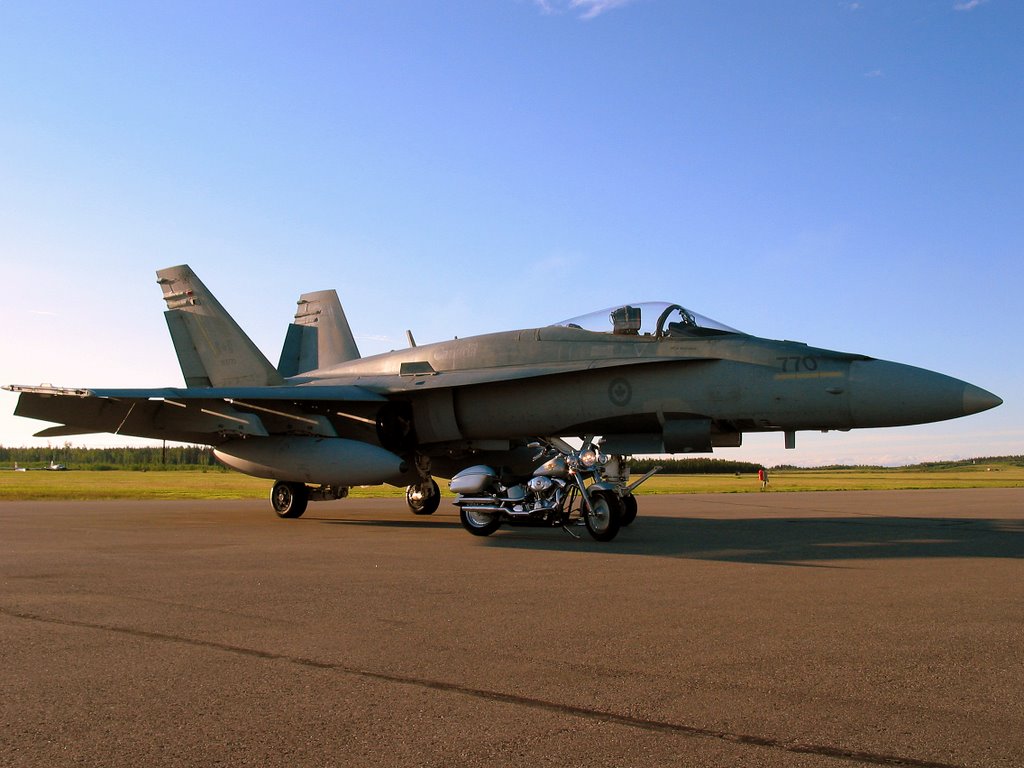 A CF-18 posing with a Fat Boy. This jet rolled into town by itself. The pilot was a local who wanted to suprise his Dad for Fathers Day. The Harley is the baby of one of the Paramedics I fly with.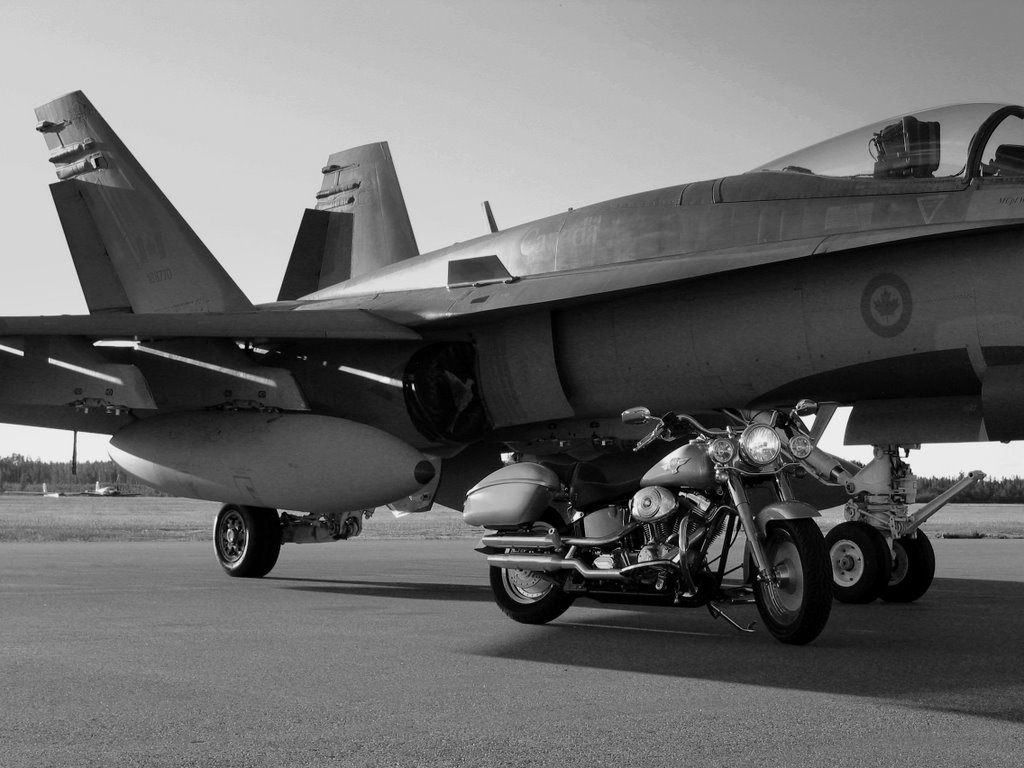
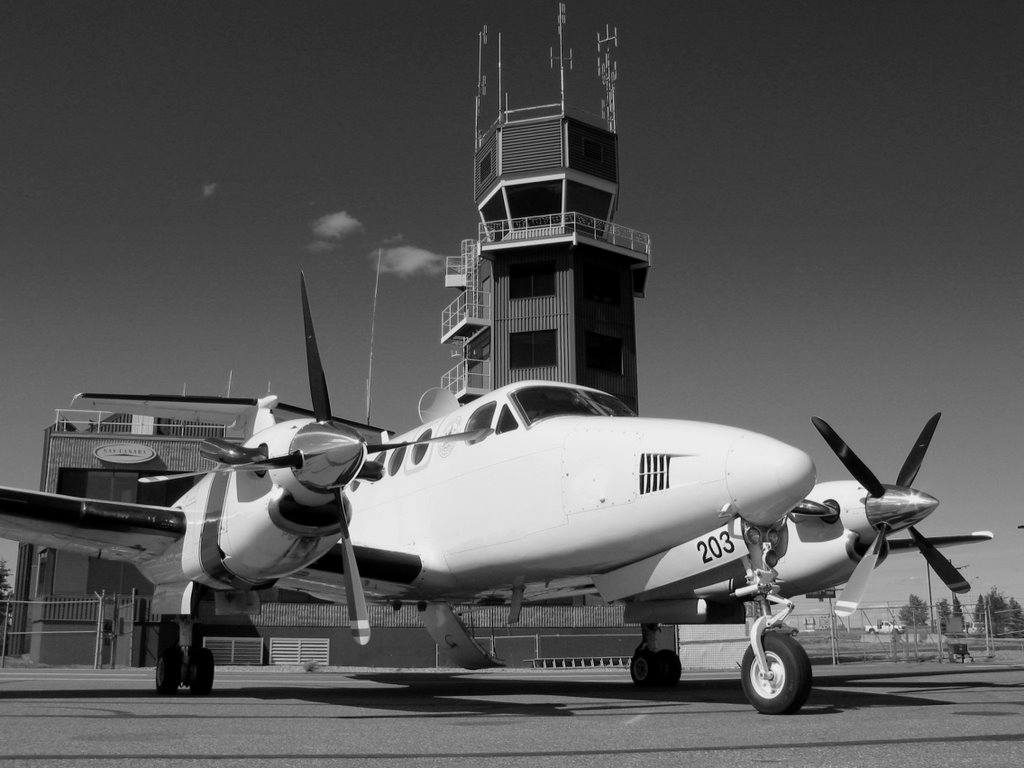 Up in Fort St John. Parked in front of the Nav Canada Flight Service Facility (I'm not sure if we call it a station anymore) I was on the 200 this day but the Caravan came up to join us